
Choosing a video interview location may seem simple, but the space you select can have a big impact on the finished video. Audio, lighting, available space, and the visual background all play a role in creating a professional-looking interview that communicates your message and represents your brand well.
Understandably, there are limits to what is available. Being on site, you can only work with what you have! But with a little planning – and the right video production equipment and expertise – you can choose the location that will give you the best possible results.
If you have a few potential spaces to choose from, here are some things to consider before settling on the best spot for your video interview.
Go to each location and hang out for a few minutes, long enough to make some observations.
In both cases, getting the boom mic as close as possible to the person being interviewed will help to capture the cleanest audio. Using a lavalier microphone as well may be an option. In general, high-quality, dependable audio gear is a must!
If you recognize anything in the space that might affect the audio, make a note of it. Don’t automatically rule it out as an interview location, though! Using the appropriate equipment can often make potential problems a non-issue. It doesn’t hurt that audio post-production has also come a long way in recent years.
The most important thing is to communicate any concerns to your video production team, so they can be ready. When you combine good gear with good post-production techniques, it’s possible to end up with great-sounding audio for your video interview even with a challenging environment.
You must also weigh the noise level with the value the location adds to your video project overall. The interview location you select often helps tell the story, which we’ll get to later in this post. Sometimes, even background noise can be appropriate depending on what you’re trying to communicate in your video.
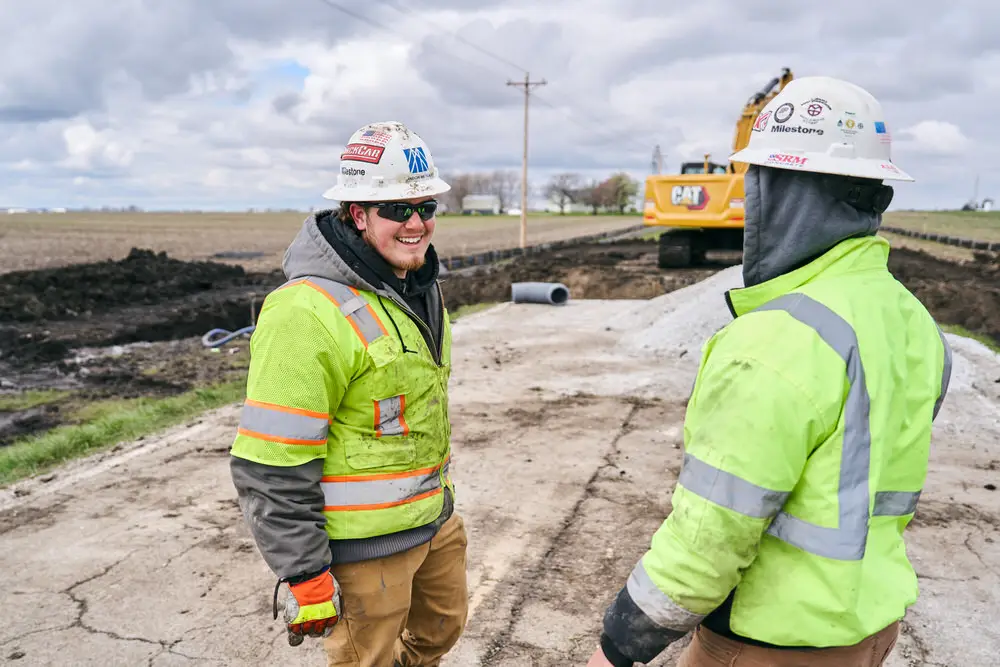
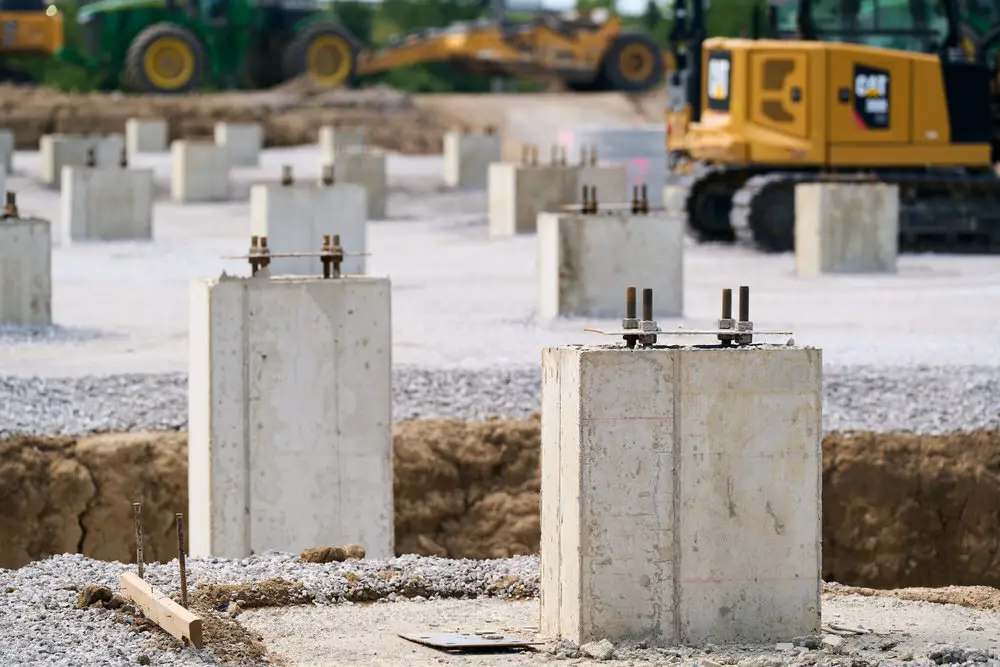
As an example, check out the video below we produced for Heritage Construction and Materials. With the video focusing on a project being completed, we conducted our interviews where the work was being done. Between keeping our distance from the equipment as much as possible, using good quality microphones, and utilizing post-production tools, we were able to deliver good audio while also being in locations that supported the message communicated in the video.
Obviously this is only relevant if you are recording your interview indoors, but you’ll want to make sure you have plenty of space to work in. Most of the time, your video crew is going to bring in a fair amount of equipment to make sure everything looks and sounds good for your video. Cameras, tripods, stands, lights, microphones . . . it all adds up! You can see how it would be difficult to accommodate all of this in a small office, for instance. In addition, it’s nice to be able to situate the interviewee at a bit of a distance from the background. This gives the shot greater depth and a nicer look overall. Generally speaking, the more room, the better!


However, there are times when a small space is the only available option or even makes the most sense for the video. In that case, communicate with your video production partner. They may need to scale back equipment (perhaps one camera instead of two) or bring different equipment better for small spaces (such as a light with a smaller footprint).
Another thing to check on is if the furniture in the room can be moved. If chairs, desks, or tables can be repositioned, that is ideal. It opens up more possibilities for where the interview can be situated in the room and can also provide an option for shifting the setup for variety if multiple interviews are to take place in the space. In fact, a mid-sized conference room with furniture that can be moved can often be better to work in than a large conference room with an equally large conference table that is set in place.
The next thing to pay attention to is the lighting in the room. Again, this applies if you are looking for an indoor space for your interview shoot.
Make a note of what you see in the space and give your video production team a heads-up. They will want to know what the lighting is like so they can be prepared to use, block, or control the light in order to get the best shot for the interview. Using lights that can match the color temperature of existing lighting and bringing gear that can block or diffuse light will help to create a natural-looking shot.
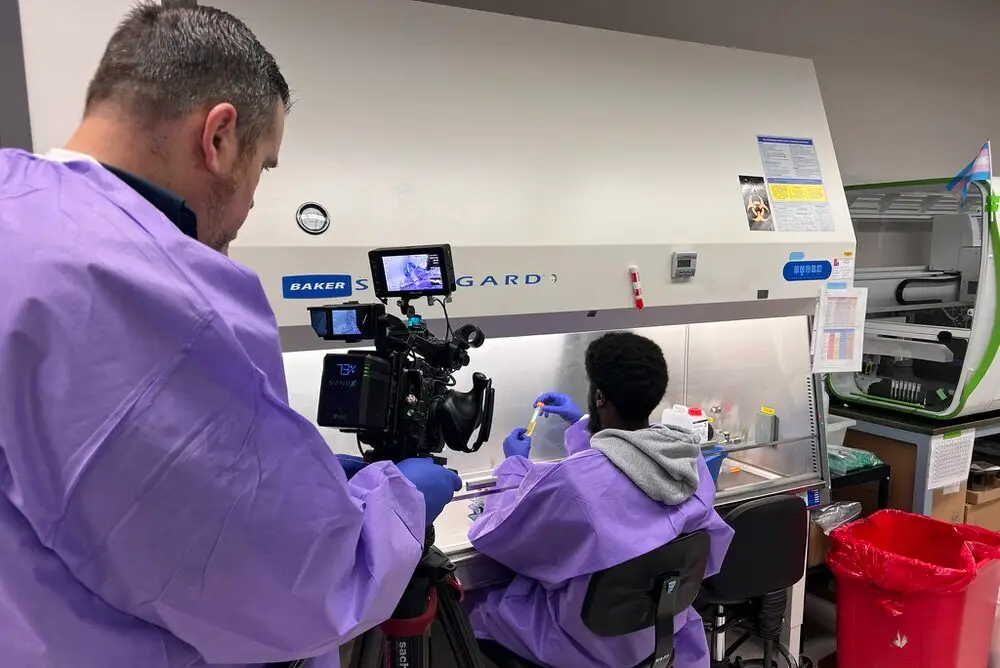
We produced a video for the Department of Surgery at the Indiana University School of Medicine. Some of the interviews were conducted in a second-floor hallway/seating area in one of their buildings. We have shot in this space many times over the years, so were very familiar with the challenges. There is natural light coming in through windows and bouncing off of a mirrored wall. There is also overhead light that cannot be turned off. One of the overhead lights shines directly down on where the interview subjects stand, so we end up placing a flag to block that light. Check out some of our production photos from the shoot, as well as the resulting video below.


When scouting locations for video interviews, you are either looking for a space that is relevant to the overall message of the video or a convenient, nice-looking area that can simply be a pleasant background for the interview.
A beige/gray conference room isn’t the most interesting, but sometimes that’s all that is available. And when you’re shooting on location, you work with what you have! If you can, bring in a side table or plant from another room. Anything that can provide some interest in the background of your interview shot is a plus.
We produced a series of videos for an event for Damar Services that offer good examples of both instances – choosing a location based on its relevance versus choosing a location based on convenience. The first video highlights one of Damar’s corporate partners, Business Furniture. The video was shot in one of Damar’s office spaces, which was designed by Business Furniture – thus, the location is relevant to the story being told in the video.


This next video highlights a Damar family and tells their story. The interviews were shot in a conference room at Damar. It doesn’t necessarily help tell the story, but does make for a pleasant background and a convenient location to conduct interviews. We weren’t able to move the conference room table, but you’ll notice we worked with it with our interview set-up.


Ultimately, choosing a video interview location is about finding the best balance between what the space offers and what your video needs. When you’re on location, no space is perfect! It wasn’t designed to be a video studio, after all. By considering the audio, available space, lighting, and background – and communicating any potential challenges to your video production team – you can get a final product you’re happy with.
If you’ve read this article but still feel like you could use a little help, consider asking your video production partner for a location scout (particularly if you have several spots in the running). Even if you’ve done your homework, someone that films video interviews regularly will inevitably see (or hear) things that you won’t. The right video production team can help you evaluate the space, identify issues, and determine the best way to work with what you have.
If you’d like to see more examples of video interviews, be sure to check out our video portfolio.
We can help! Whether it’s shooting video interviews or capturing other video content, we’ve got you covered.
What is the best location for a video interview?
A good interview location should have minimal noise, enough space for the production equipment, controllable lighting, and a background that supports the video’s message.
Can you film a video interview in a small room?
Yes. A small room can work if necessary, although your production team may need to scale the camera, lighting, and microphone setup.
Is natural light good for video interviews?
Natural light can look great as a part of your interview lighting setup, but it needs to be consistent and controllable. Windows can also create challenging changes in exposure or color throughout a shoot.
What should be in the background of a video interview?
Ideally, the background should either reinforce the story being told or provide a clean, visually interesting setting without distracting from the interview subject.